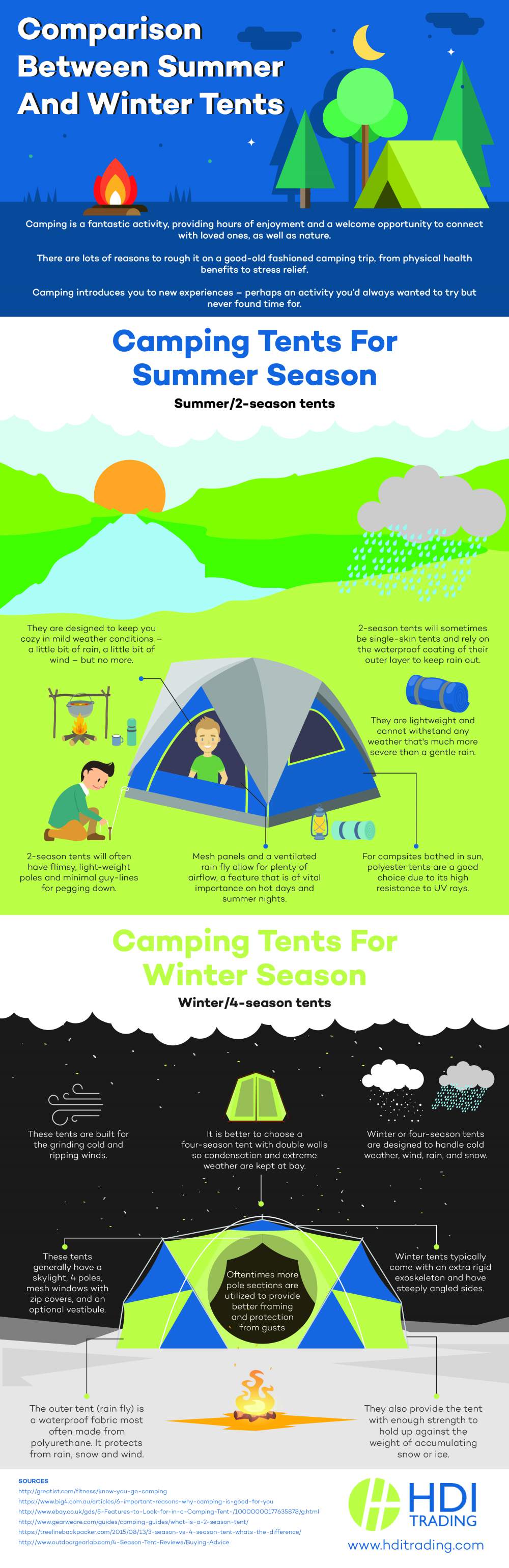
A strong framework is critical for making sure security during outside occasions. Understanding exactly how various materials affect durability can assist occasion hosts select the very best outdoor tents to suit their requirements.
For instance, aluminum has superb form security and is much less prone to deterioration than steel. This permits it to support thicker and longer-lasting fabrics, boosting the general quality of the outdoor tents.
Steel
The metal materials made use of to build structure camping tents can considerably impact their longevity, particularly when subjected to rough weather. Tent life-span expectations additionally depend upon proper use and maintenance. As an example, if a canopy is revealed to extreme climate condition like hefty rain or solid winds, the tent might experience damages that jeopardizes its framework or stability. Normal assessments can help occasion hosts spot possible wear and tear prior to a problem emerges, allowing them to change the tent or execute required fixings.
Comprehending the distinctions between post tents and framework outdoors tents is important for examining the best choices for an outdoor event. Longevity, stability and price are all considerations when choosing a sanctuary for use. Selecting the right structure makes certain safety and convenience for visitors, regardless of the weather. In addition, proper treatment and upkeep practices can prolong the life-span of both types of camping tents, lowering long-term expenses related to damage.
Aluminum
Whether your occasion camping tent requires to withstand heavy rainfall, snow, or strong winds, the frame product is a vital factor in sturdiness. Light weight aluminum structures offer remarkable toughness, which is why large party camping tents like those from LP OUTDOORS have aluminum-based post systems. These are enhanced with eave connections and hot-dip galvanized steel inserts to guarantee stability and durability. On top of that, the 850g tested double PVC-coated material tent setup is fireproof, water-proof, UV-protected, and self-cleaning to aid prevent damage and increase performance.
While steel frameworks might supply a lower upfront cost, they are prone to rust and call for normal upkeep. Aluminum frame structures are lighter in weight, making them simpler to deliver and establish, while additionally providing greater stability in windy conditions. Appropriate maintenance methods, consisting of cleansing steel elements and consistently evaluating the frame for signs of wear, also helps extend the lifespan of these structures. Additionally, changing the leg angle to match site demands assists support the framework and stop damages from wind.
Plastic
A camping tent's toughness depends upon a wide array of aspects, consisting of framework material and fabric composition. Proper cleaning and upkeep techniques enhance efficiency, and mindful assessment of steel elements helps avoid corrosion. Understanding these distinctions can aid places and organizers choose a camping tent that provides reputable stability for various occasions.
Layered plastic is a prominent choice for both pole and structure outdoors tents, as it withstands severe weather elements. Nonetheless, this product needs special treatment and upkeep to avoid mildew and fungi development. Furthermore, it is essential to never fold up or keep a vinyl cover when damp, as even a small amount of dampness can cause chilly cracking and brittleness.
The synthetic make-up of plastic also makes complex end-of-life disposal. All-natural fibers, on the other hand, support lasting sourcing and minimize dependence on petroleum-derived inputs. This product might have a higher ahead of time expense, but it supplies durability and reliability that can counter preliminary investment. Lifecycle openness supports waste reduction and minimizes unforeseen costs for both locations and event hosts.
Textile Weight
Along with frame product, material weight contributes in camping tent resilience. Lighter fabrics are more mobile and less complicated to carry, while heavier materials offer greater security.
Depending upon the application, the denier of the fabric will certainly likewise have an influence. Greater denier ratings offer greater durability, and are much better suited for duplicated use or rough outside conditions.
When it pertains to tent products, nylon is the preferred option for many applications. It is an extremely sturdy, lightweight, and breathable textile that uses a number of advantages over polyester, consisting of a reduced propensity to mold, much better heat and light resistance, and better elasticity.
When it concerns selecting the best textile for your camping tent, search for ISO-certified material to guarantee consistency and conformity with California fire policies. In addition, pick U.S.-made plastic to get one of the most out of your financial investment, as imported vinyl often tends to break down after 2-3 years, while our vinyl holds strong for 7+ years.